Dense systems, unfamiliar domains, competing needs – I work across interaction, strategy, and systems to make complex products coherent, from the logic underneath them to the interfaces people actually use. Currently Principal Product Designer at Willow Wealth.
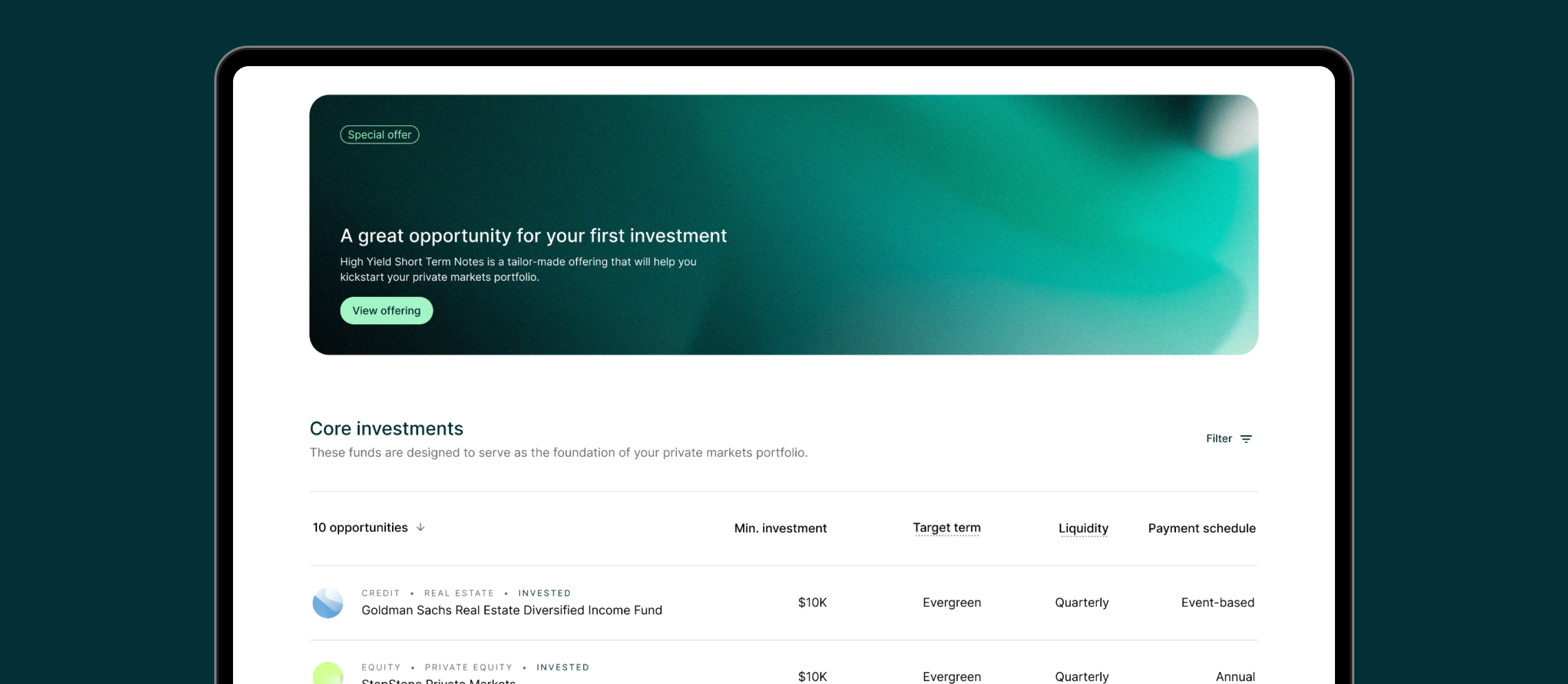
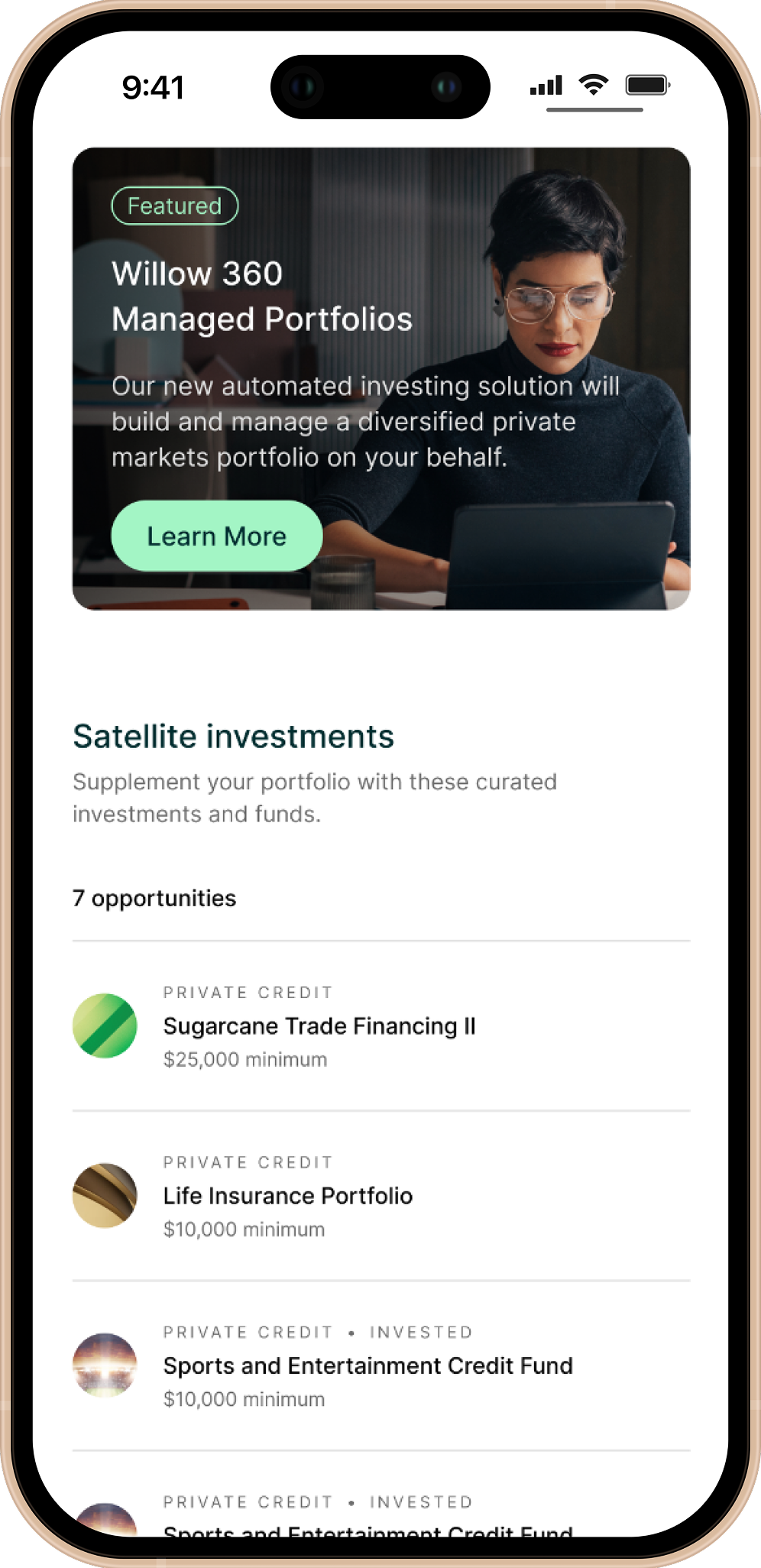
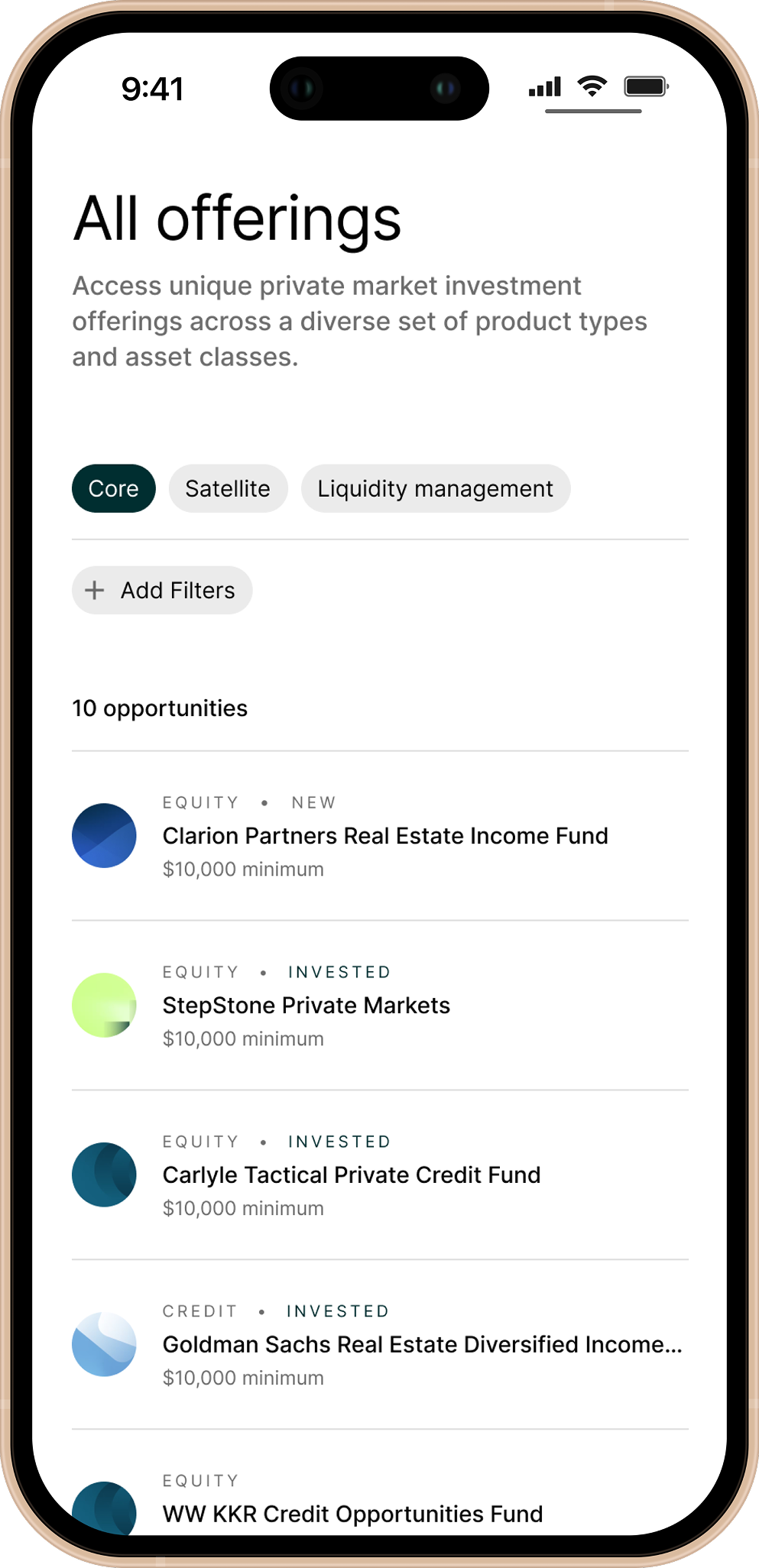
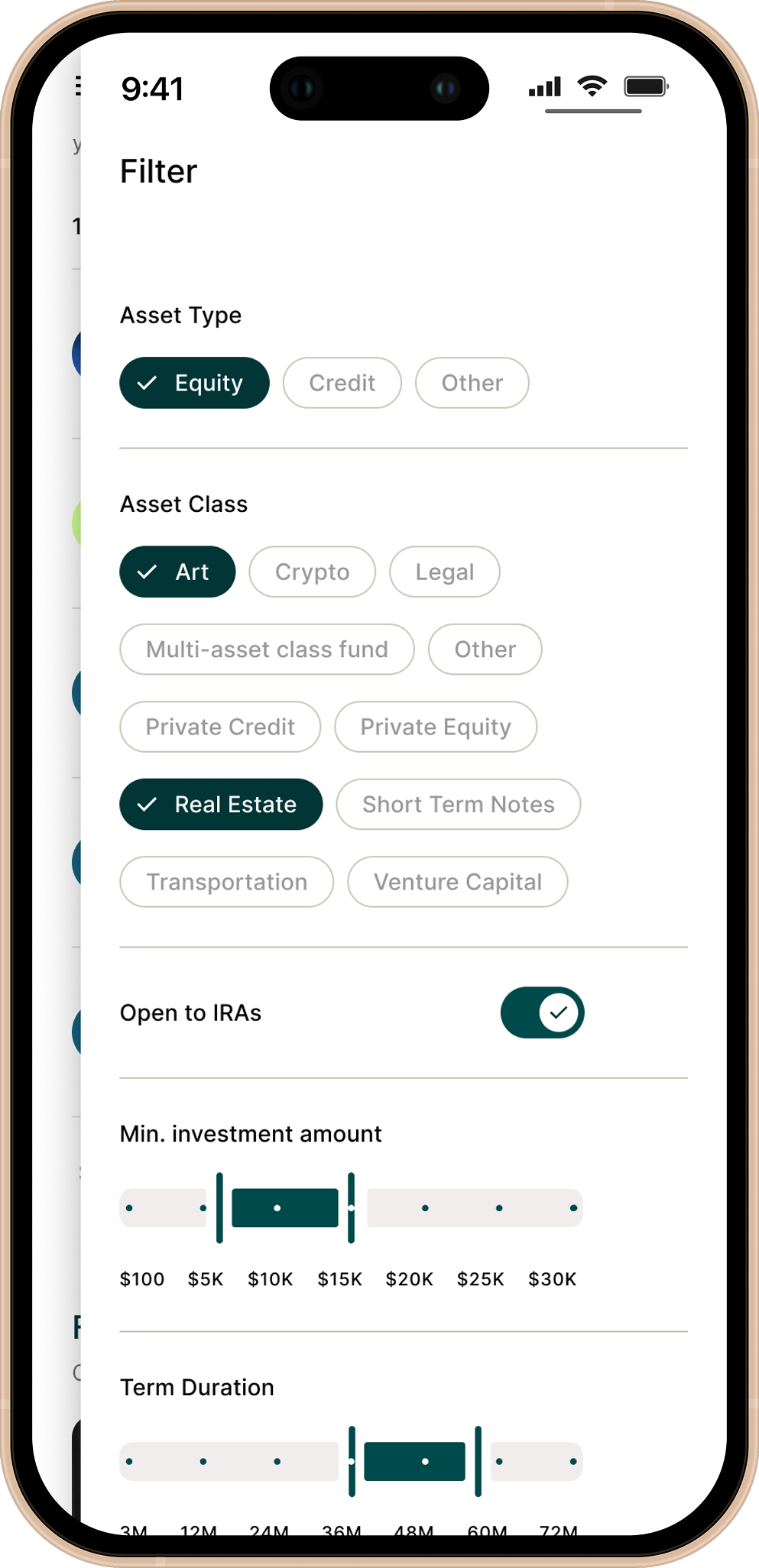
Led the redesign of Willow Wealth’s Marketplace, where investors browse a growing range of offerings. As the catalog expanded, very different products were still presented with roughly the same hierarchy, making them harder to scan, compare, and prioritize.
I initiated the work by turning an emerging Core, Satellite, and Liquidity Management strategy into an interface stakeholders could react to. The redesign introduced clearer hierarchy, denser comparison patterns, and greater editorial control over which investments were brought forward.
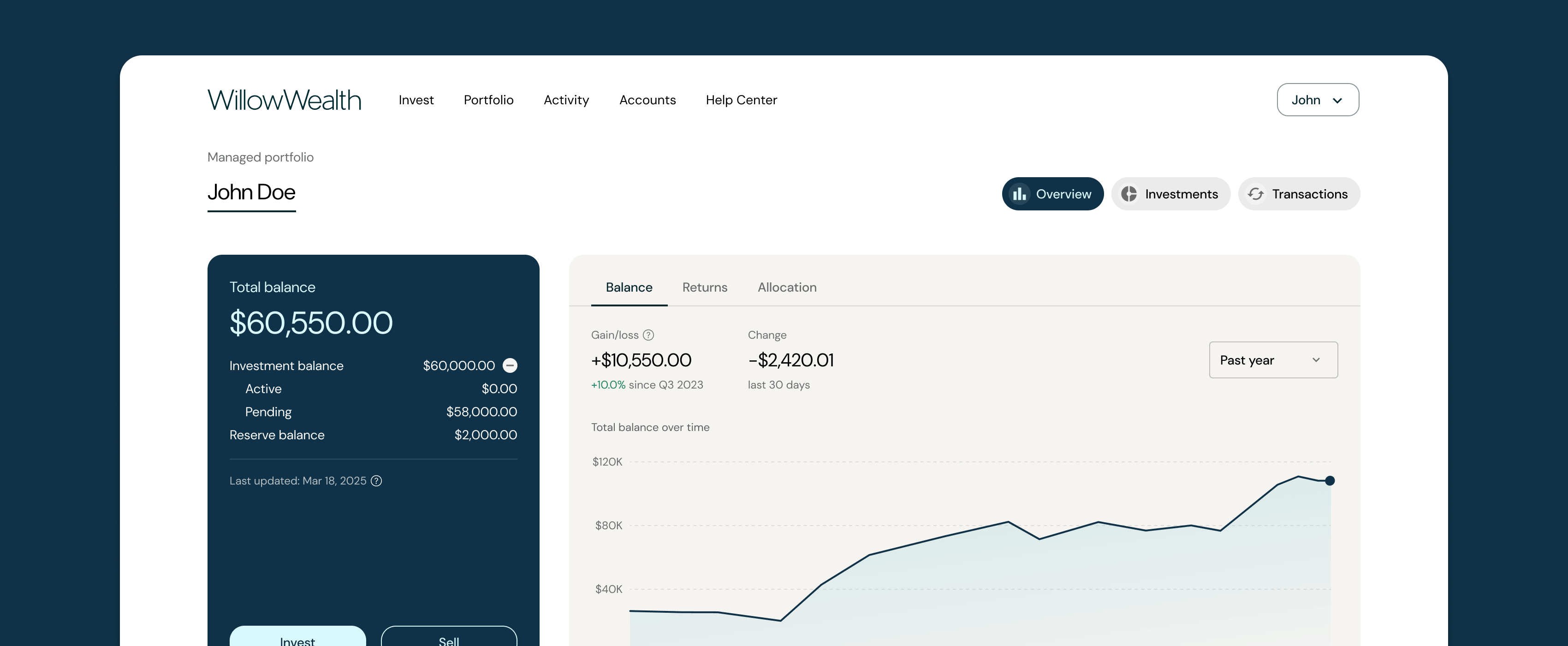
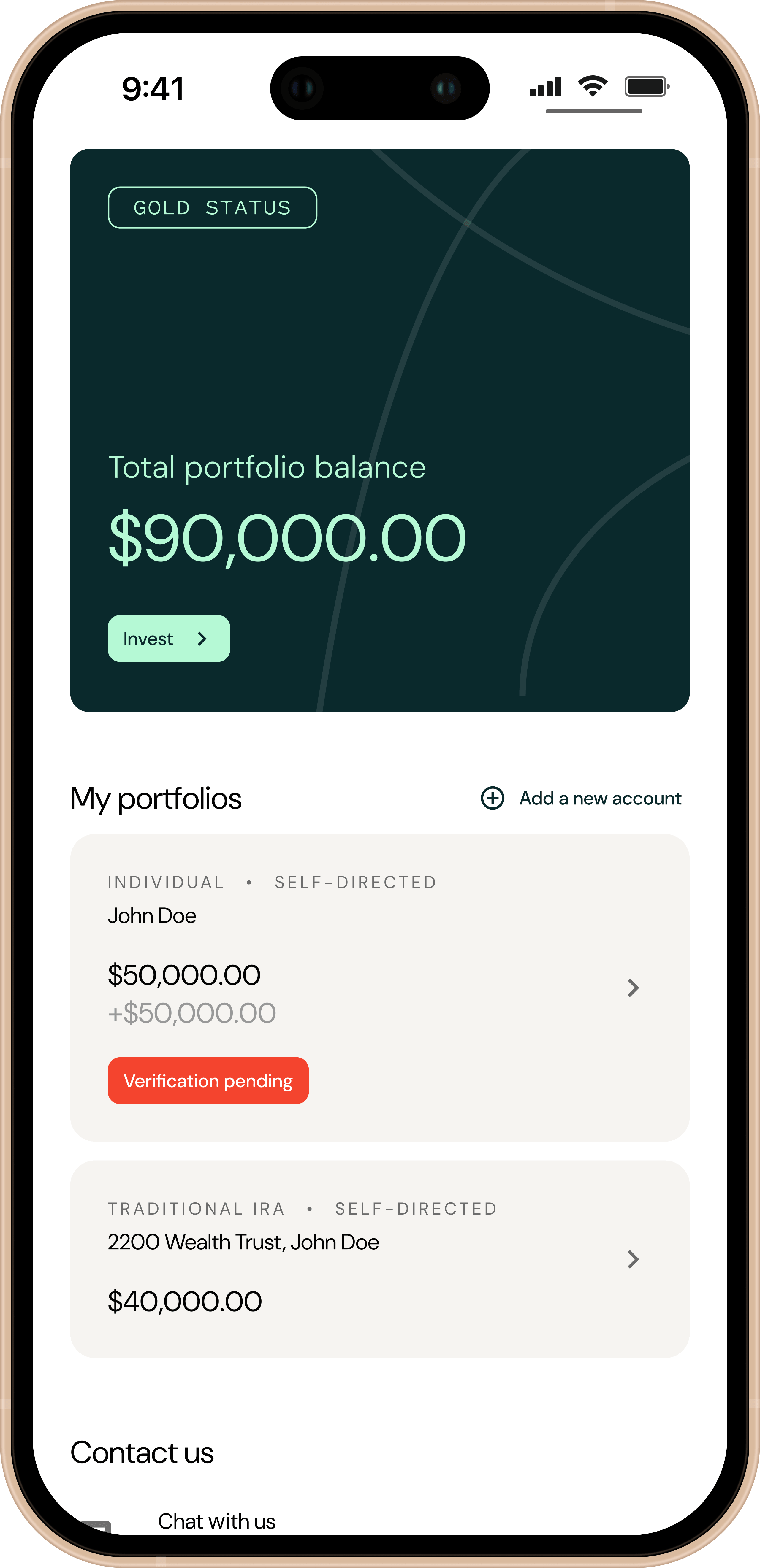
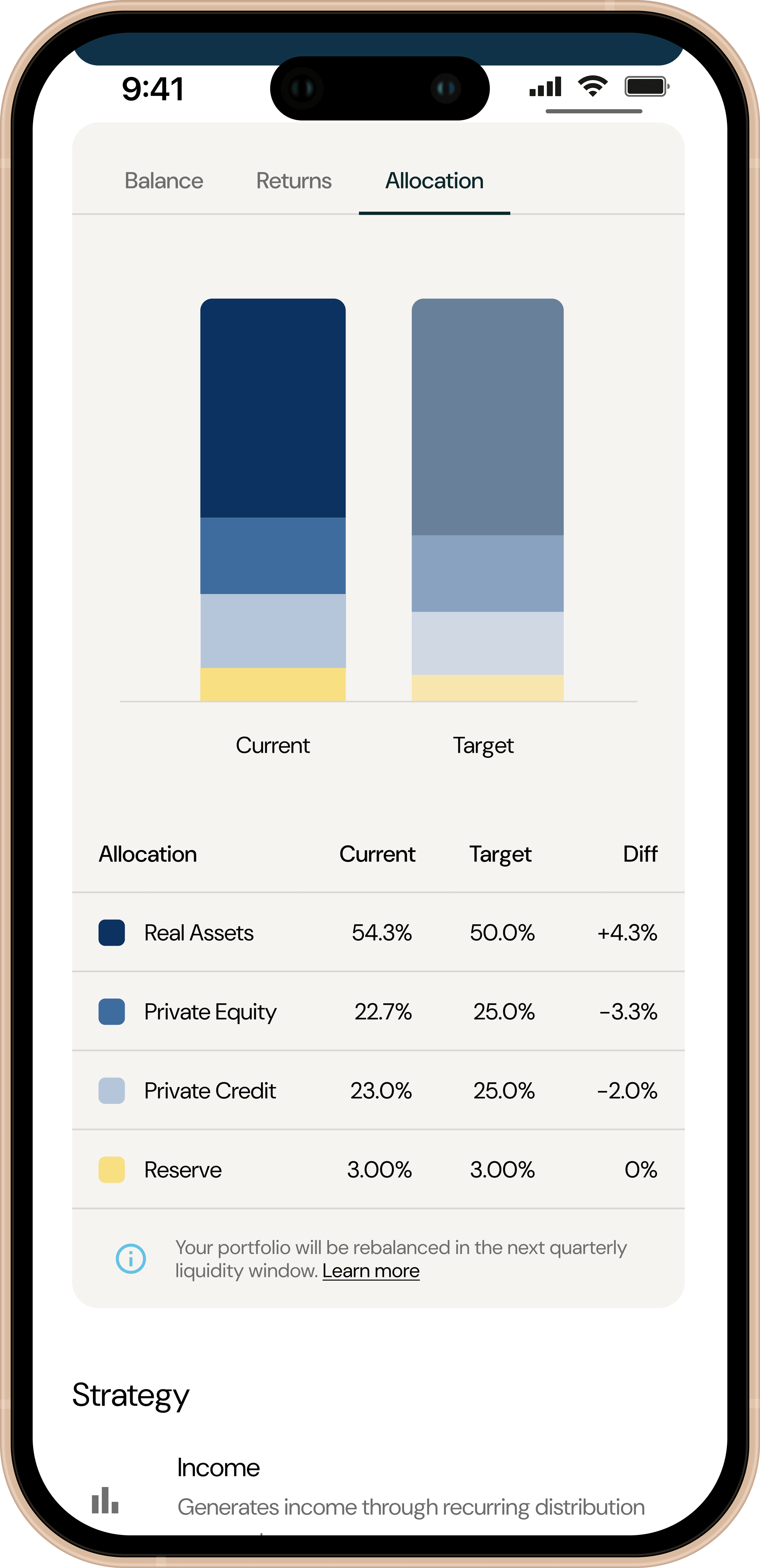
Designed the end-to-end portfolio experience for Willow 360, Willow Wealth's first managed product, investing across funds from Carlyle, Goldman Sachs, and StepStone.
The challenge: unlike the self-directed platform, Willow 360 required a hands-off experience centered on strategy rather than marketplace navigation. I led a new Portfolio experience and visual language that helped shape the current platform and catalyzed a broader information architecture overhaul, including its new logged-in homepage, Summary.
#finance#robo-advisor#private-markets
03.
Principles of Experience for Backoffice Tool Building
at Globo
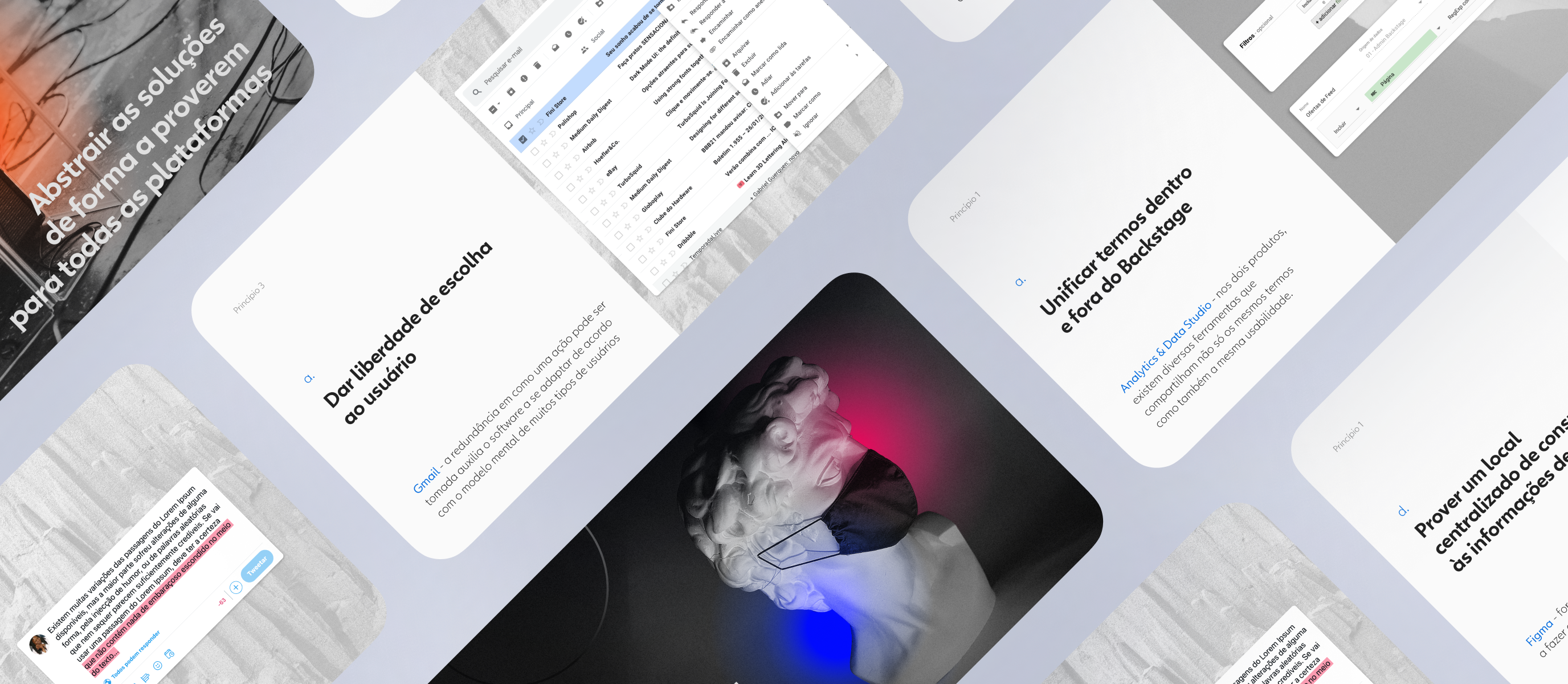
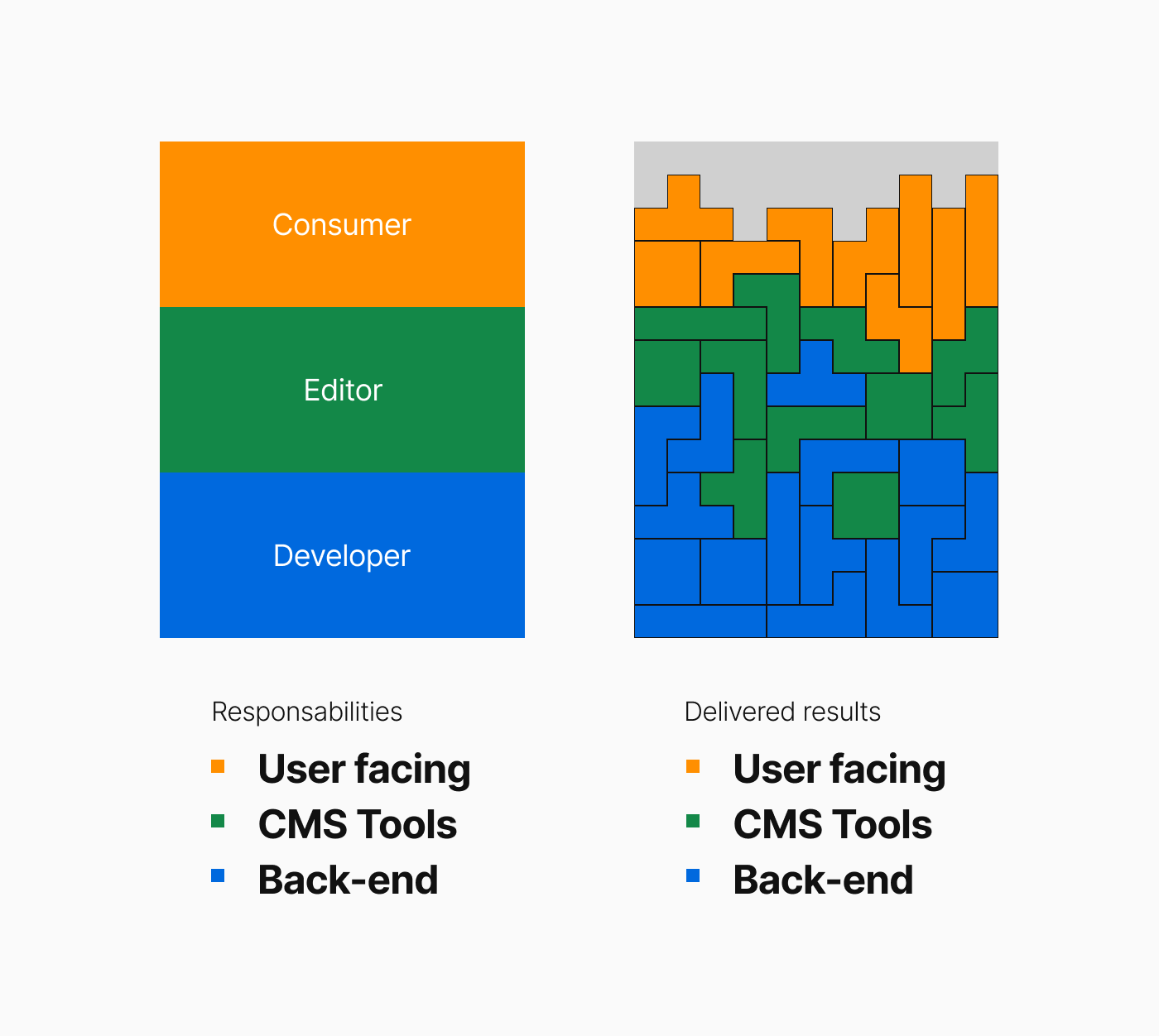
Created five design principles for Backstage that turned subjective experience debates into a shared, actionable standard for backoffice work.
Covering learning curve, expert behavior, user expression, safety, and cross-platform abstraction, they gave designers and developers a defensible way to challenge weak decisions, shifting experience quality from individual opinion to an institutional standard.
#processes#heuristics#backoffice
04.
Experience Debts Framework
at Globo
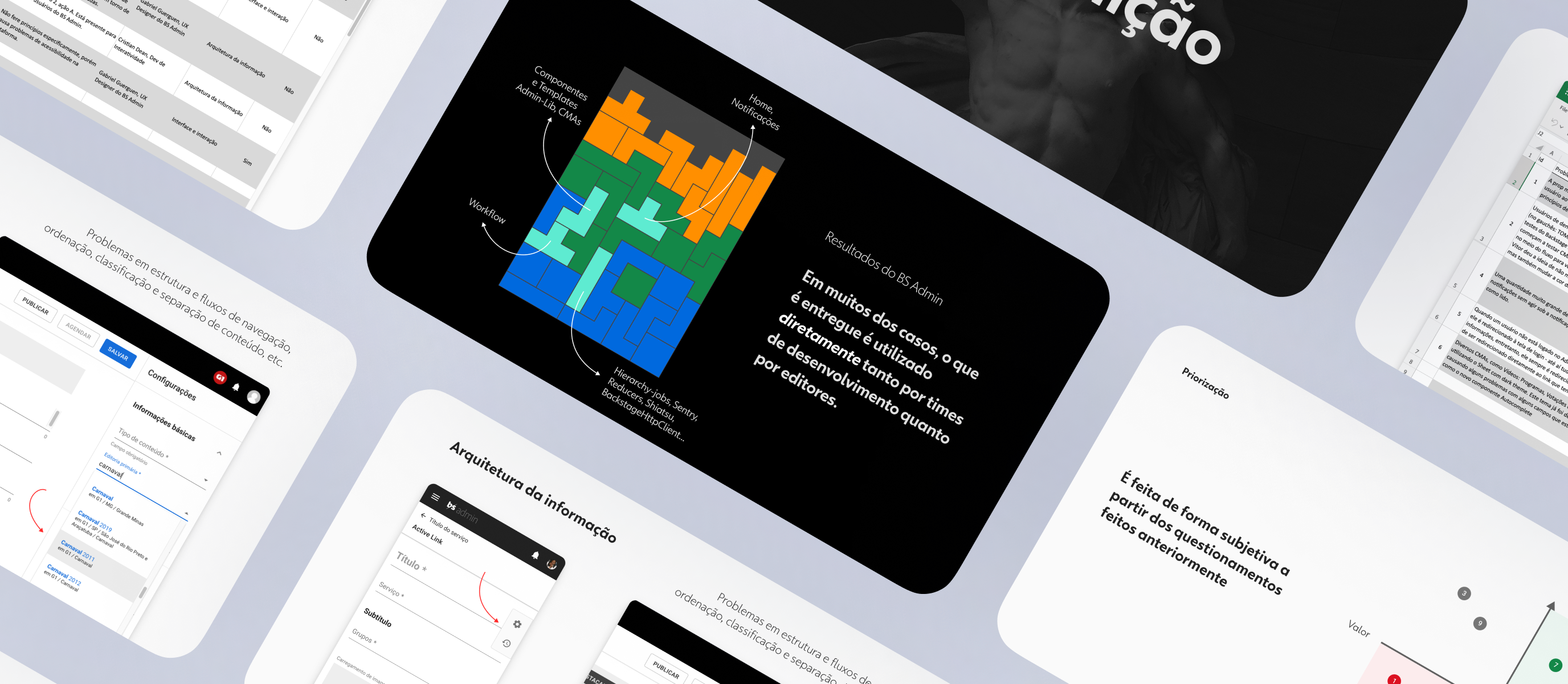
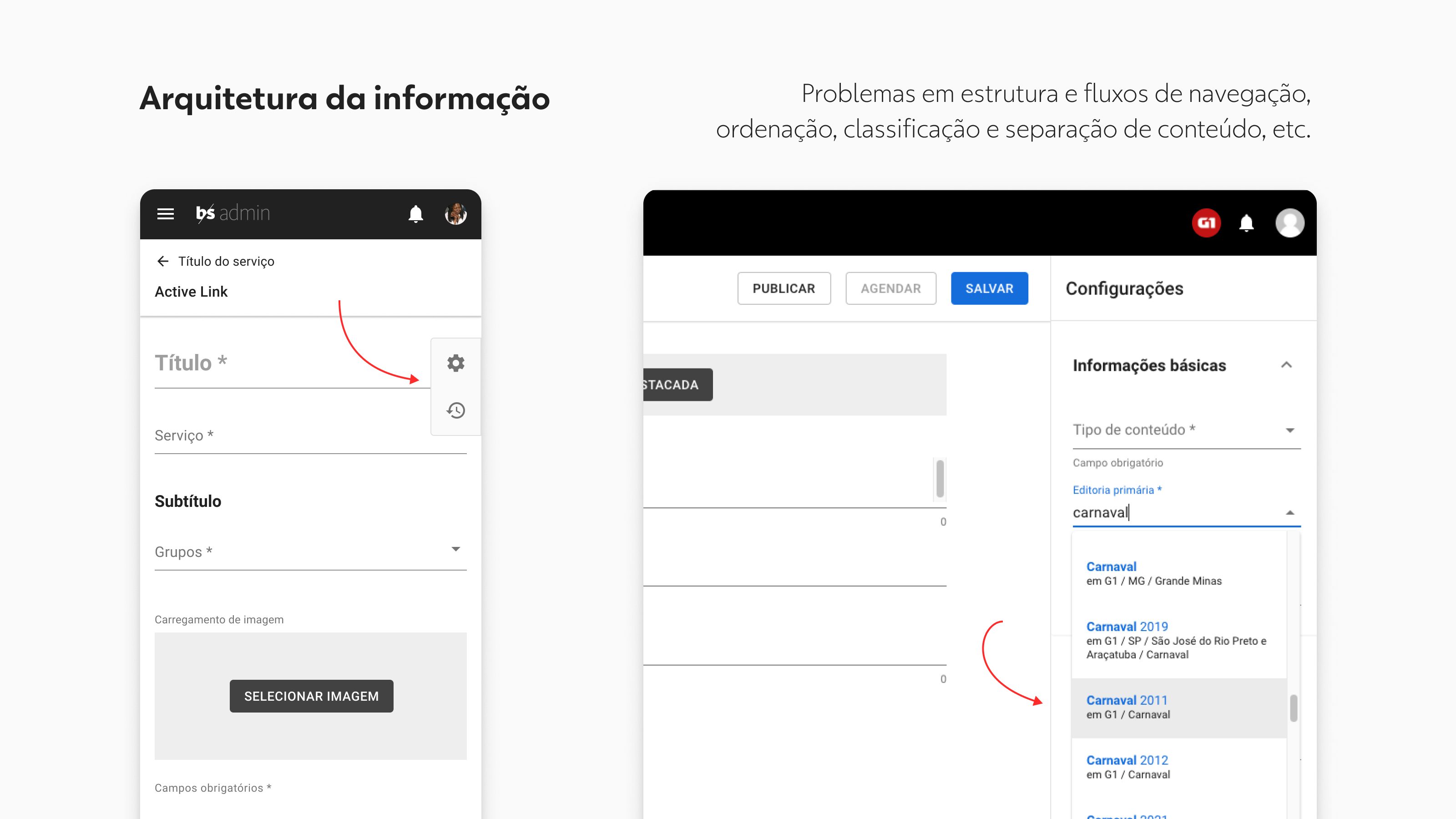
Designed a framework to capture, prioritize, and resolve UX debt across Backstage Admin, replacing scattered issues and chronic deprioritization with a shared, sprint-based system.
It also closed the loop with editors who reported problems, improving visibility and rebuilding trust with users who had stopped feeling heard.
#processes#framework#product-management
55
Story points per month on debts
+51%
Editor sentiment lift
05.
Terminal Management Systems
at Getnet
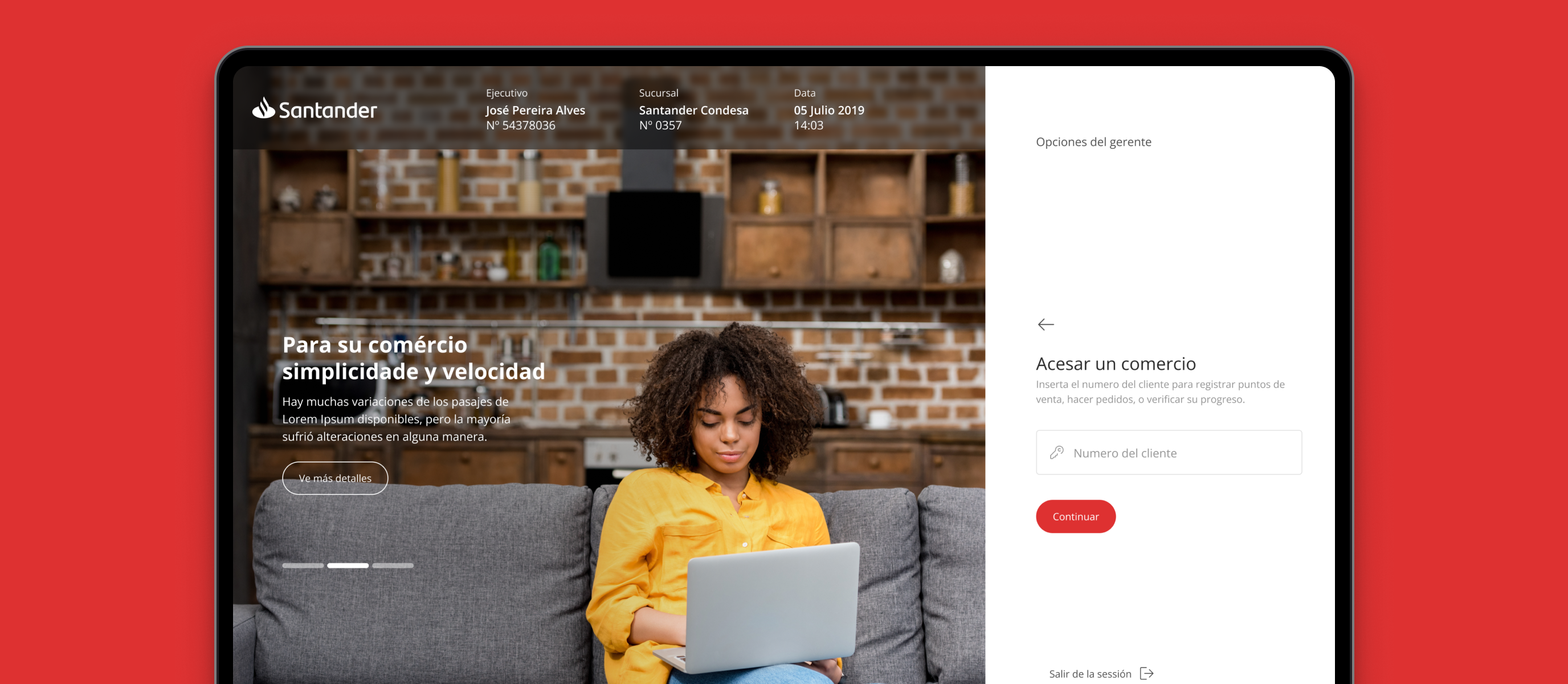
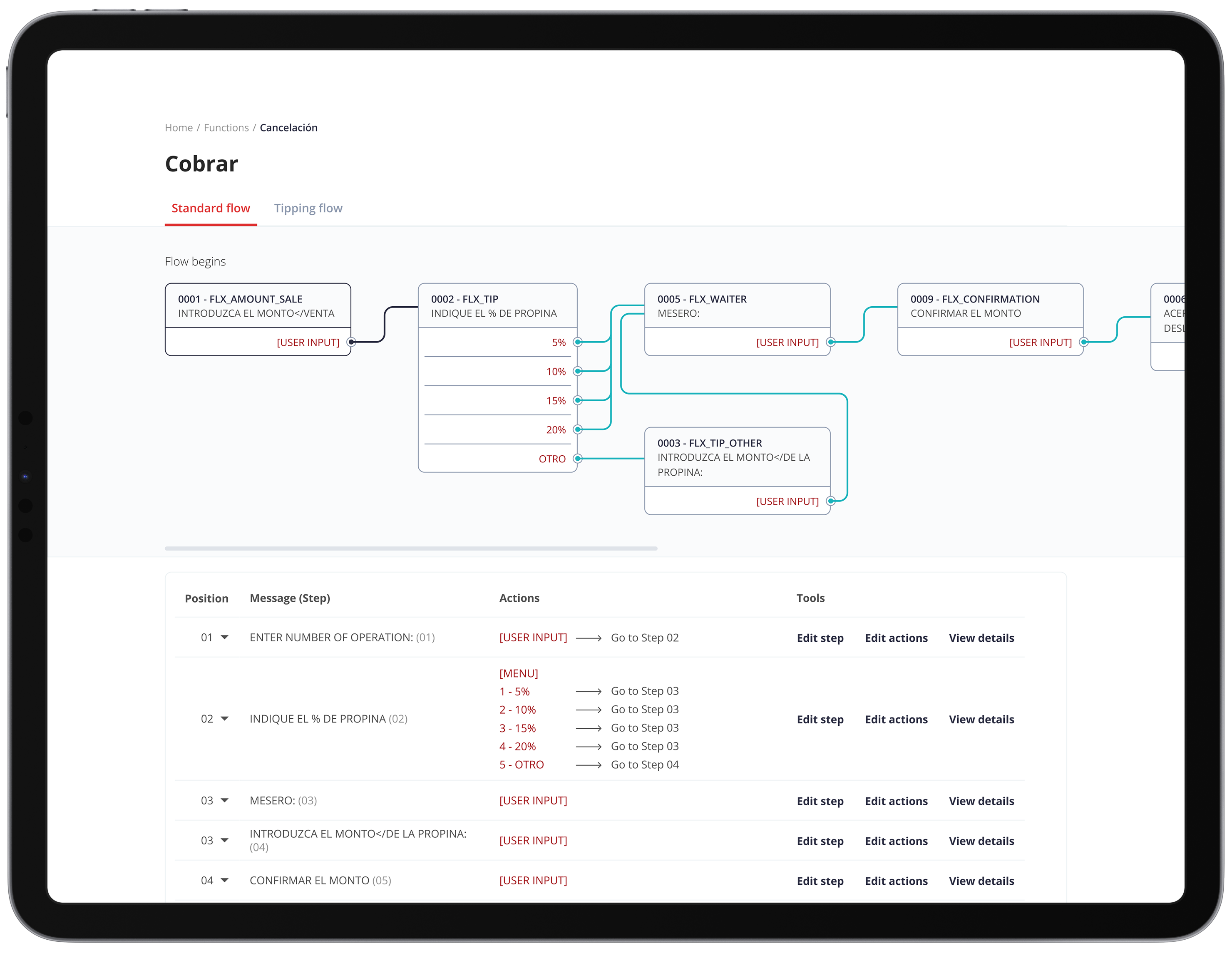
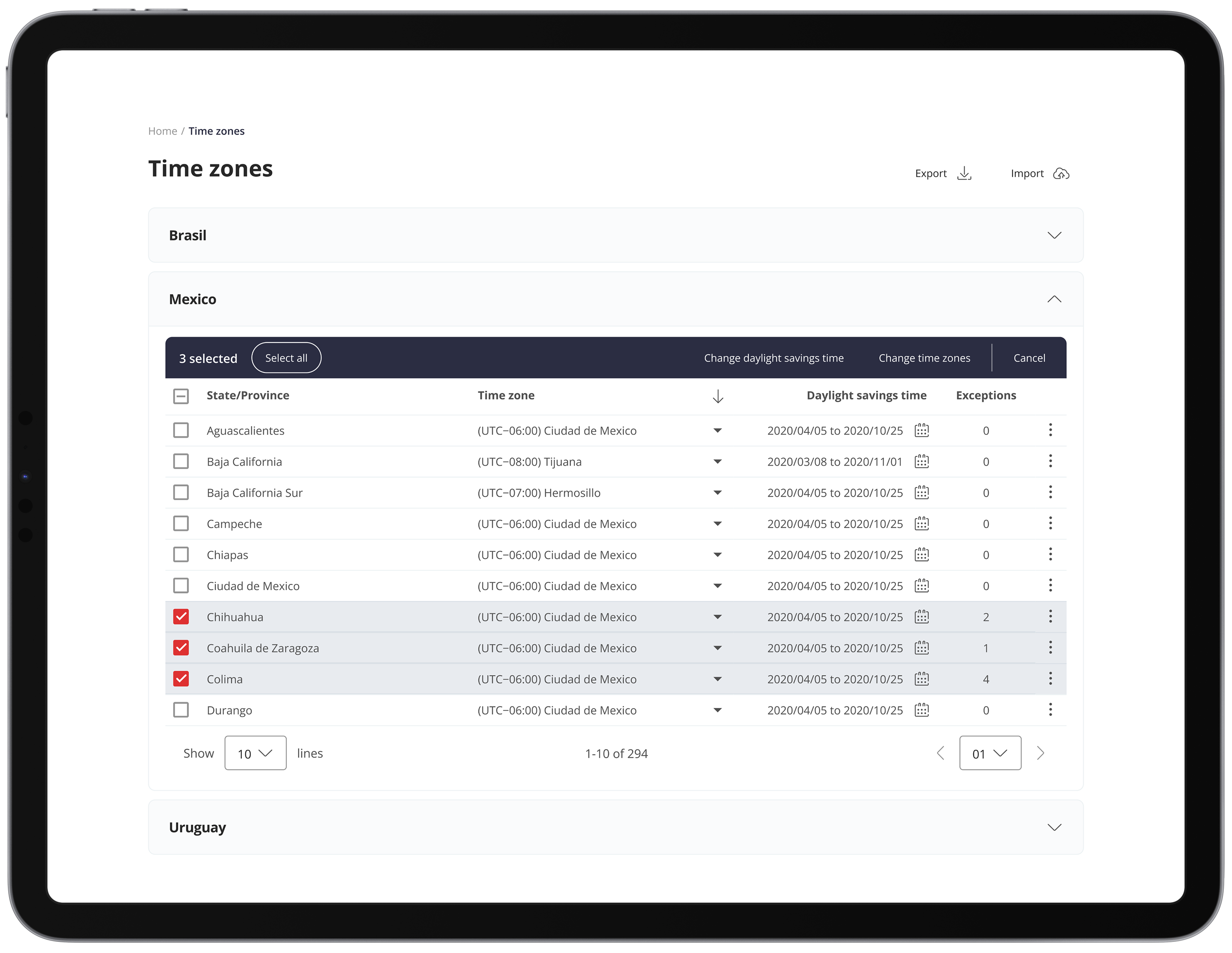
Joined as the first designer on Getnet’s international platform rebuild, laying the foundation for design across the project while designing backoffice systems for Santander and Getnet to provision, track, and support card terminals across Latin America.
I designed Onboarding, CPQ, and Terminal Management to serve both occasional and expert users — balancing guidance and legibility with the density, shortcuts, and bulk actions needed for high-volume work.